 English
 中文版
Single Screw Pump Stator Material Selection Method
The stator of a single screw pump is a core wearing part that determines the pump’s conveying capacity and service life. The material selection of the stator shall be comprehensively judged based on the conveyed medium, working conditions and application specifications. Improper material matching may lead to swelling, corrosion, wear and cracking, directly resulting in flow attenuation and seal failure of the single screw pump.
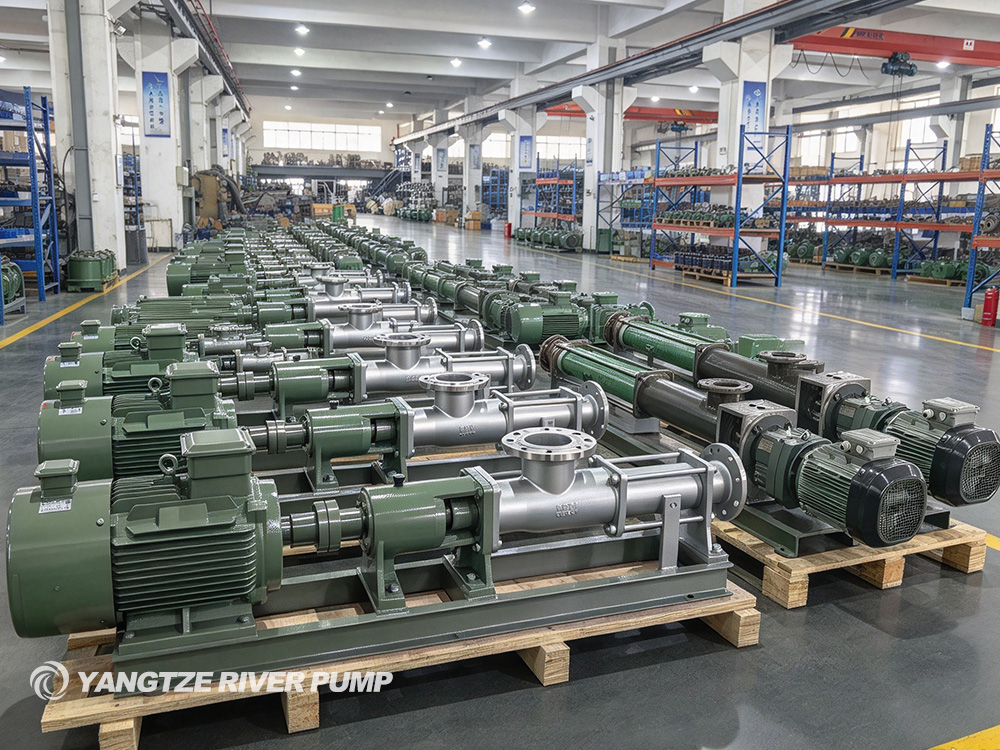
single screw pump
ingle Screw Pump Stator Material Selection Method
1. Determination of chemical properties of medium: Confirm the medium type, pH value and organic solvent components first. For oil products and oily sewage, nitrile rubber (NBR) is selected for good oil resistance, wear resistance and cost performance; for clean water, weak acid, weak alkali and hot water steam, ethylene propylene diene monomer (EPDM) is adopted; fluororubber is used for strongly corrosive and strong solvent working conditions; food-grade rubber is applied in food and pharmaceutical scenarios to prevent medium contamination; for working conditions with high solid particles and slurry, high-wear-resistance rubber is preferred to reduce cutting wear caused by particles.
2. Check of medium temperature: Different rubbers have obvious differences in temperature resistance range. The temperature of nitrile rubber shall not exceed 80℃ under normal conditions; the maximum temperature of EPDM is about 150℃; fluororubber can withstand high temperature up to 200℃. Excessive temperature will accelerate rubber aging and elasticity loss, and the stator is prone to failure.
3. Evaluation of solid content and wear: The higher the solid particles contained in the medium, the higher the requirement on wear resistance of the stator. Polyurethane and other high-wear-resistance materials can be selected for high-solid slurry. Meanwhile, the rotating speed of the single screw pump shall be controlled to reduce friction loss between rotor and stator.
4. Auxiliary working conditions: Consider discharge pressure, medium swelling property and sanitary requirements. Higher pressure requires higher tensile strength and tear resistance of stator rubber. When the medium tends to swell rubber, material compatibility test must be carried out. Sanitary working conditions need to meet food or pharmaceutical certification requirements.
5. Alternative for special working conditions: For extreme working conditions with strong corrosion and no elasticity requirement, PTFE lining or metal stator can be used to replace the traditional rubber stator.
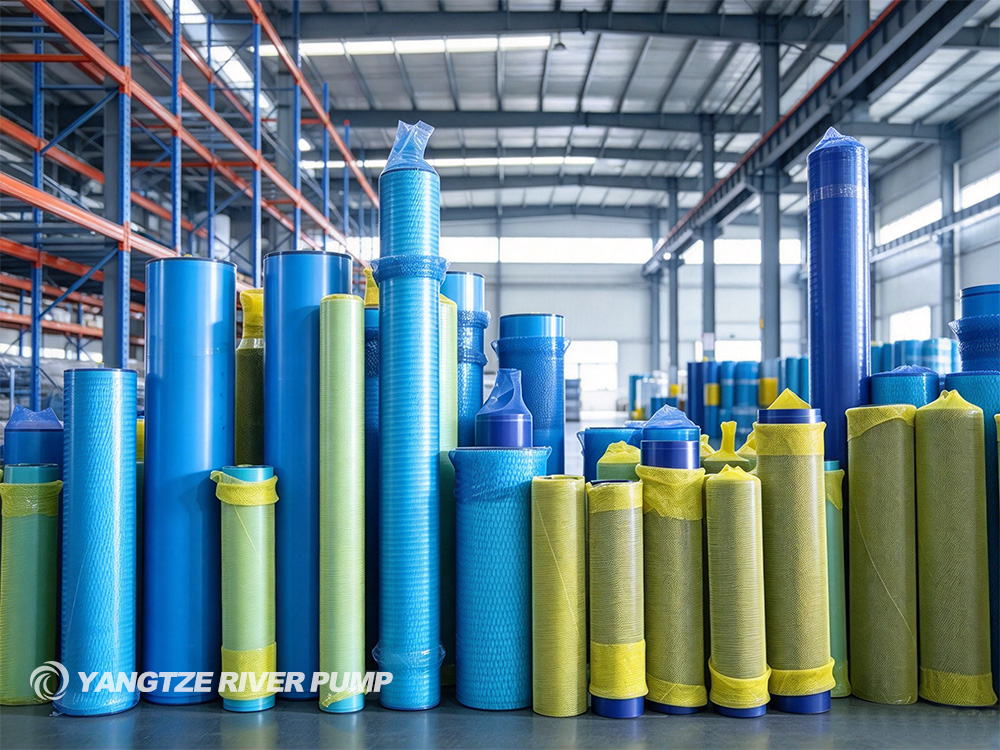
Stator of a single screw pump
The material selection of single screw pump stator takesmedium compatibility, temperature and solid contentas three core factors. Clarify working condition parameters first, then match corresponding elastomer materials, take wear resistance, temperature resistance, cost and compliance requirements into account, reduce premature damage of single screw pump stator from the source, and ensure long-term stable conveying of the pump.

