 English
 中文版
ZW Self priming Sewage Pump Installation, Maintenance and Care Procedures
ZW self priming sewage pumps are widely used for medium transportation in sewage treatment, municipal engineering, breeding, chemical industry and other fields. Correct installation and standardized maintenance are critical to ensure stable self-priming operation of the pump, extend equipment service life and reduce the risk of downtime. The key operation points are described below from the aspects of installation, commissioning, daily maintenance, periodic overhaul and shutdown protection.
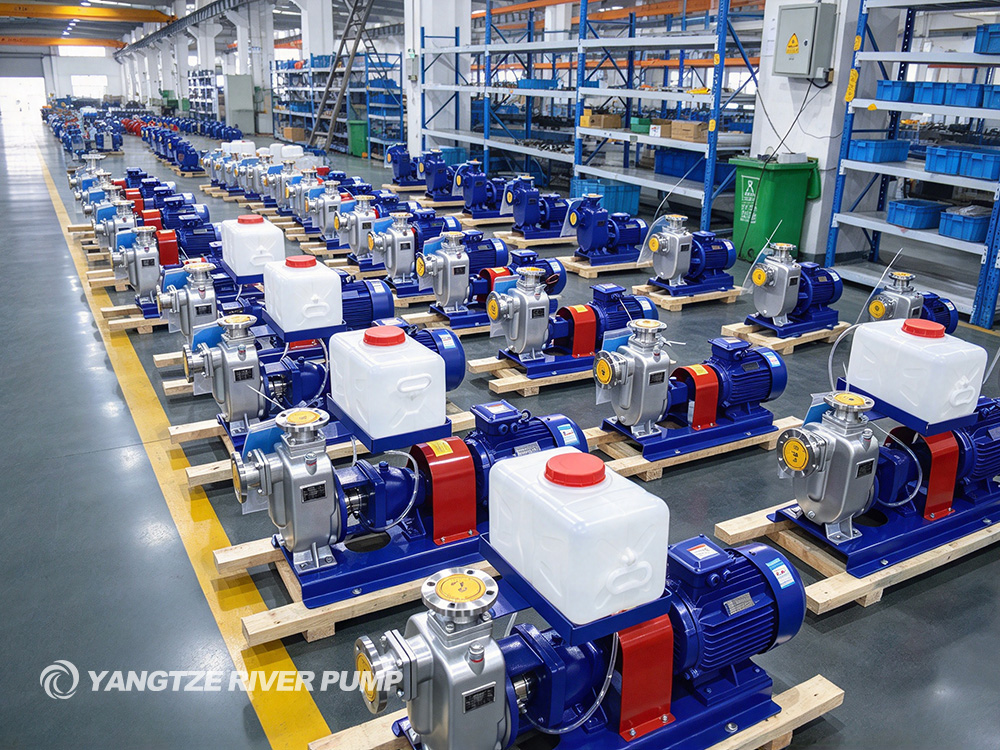
ZW Self priming Sewage Pump Installation, Maintenance and Care Procedures
1. Installation Requirements
1. Foundation selection: The pump shall be installed on a solid and flat concrete foundation. It shall be placed as close to the sewage tank as possible to shorten the suction pipeline and reduce elbows so as to lower air resistance and pipeline loss. The suction lift shall not exceed 5 meters, and the nozzle of the suction pipe must be immersed below the liquid surface to prevent air intake which impairs self-priming performance.
2. Pipeline installation: Independent supports shall be arranged for inlet and outlet pipelines.The pump body shall not bear the weight of pipelinesto avoid pump deformation and misalignment of coaxiality. All flange joints on the suction pipeline must be well sealed without air leakage. A 0.4~1m vertical pipe, pressure gauge, check valve and regulating valve are recommended to be installed on the outlet pipeline for flow & pressure adjustment and backflow prevention during shutdown. The suction pipe shall slightly rise towards the pump body to avoid air pockets inside the pipe.
3. Alignment and wiring: After installation, check the coaxiality of pump shaft and motor. Turn the coupling by hand; it shall rotate flexibly without jamming or friction noise. Jog the power on to confirm that the motor rotation direction matches the arrow mark on the pump body. Reverse rotation will cause no water output and damage the impeller. The equipment shall be well earthed for electrical safety.Pre-start preparation: Before the first startup, open the pump filling port, fill the liquid storage chamber with priming water and close the filling screw plug. Check whether anchor bolts and all flange fasteners are tightened.
2. Operation, Maintenance and Upkeep
Daily Inspection
During operation, observe pump vibration and noise, and check whether outlet pressure gauge and flow rate stay stable. Inspect the leakage of mechanical seal; only slight dripping is normal. Shut down the pump for maintenance immediately if leakage increases. Watch out for abnormal noise and excessive temperature rise, and stop the pump for troubleshooting once anomalies are found. Keep the pump and motor exterior clean. Prevent the motor from water ingress and moisture during washing.
Periodic Maintenance
1.Monthly maintenance: Tighten anchor bolts and pipeline connectors; check the oil level in bearing housing and replenish oil if insufficient; clean debris on the inlet grille to prevent large foreign matters from entering the pump chamber and tangling the impeller.
2. Quarterly maintenance: Disassemble the pump chamber to clean fibers, sludge and solid impurities inside the impeller and pump casing to avoid blockage; check wear of mechanical seal and scratches on sealing surfaces; re-measure the coaxiality of coupling.
3. Annual overhaul / Inspection after 3000 working hours: Fully disassemble the unit, inspect wear of impeller, pump casing and shaft sleeve, replace worn mechanical seals and O-rings. Replace lubricating oil after one month of operation for new pumps, and thereafter replace it every six months. Bearing grease shall be refilled every 2000 working hours, and bearings shall be replaced when severely worn. Shorten maintenance cycles appropriately for working conditions with sediment-laden or high-fiber sewage.
3. Shutdown and Winter Protection
Short-term shutdown: Flush the pump chamber with clean water before shutdown and drain sewage sediment inside to avoid deposition and scaling. Long-term shutdown or low-temperature winter environment: Drain all accumulated water in pump chamber and pipelines completely to prevent pump casing cracking caused by freezing. Apply anti-rust treatment to internal pump parts and keep the motor dust-proof and moisture-proof.
4. Safety Precautions
Cut off power supply and lock out & tag out before all maintenance operations. Disassembly under power is strictly prohibited. Take protective measures when handling corrosive sewage. Do not run the pump dry for a long time; dry running will quickly burn out the mechanical seal.
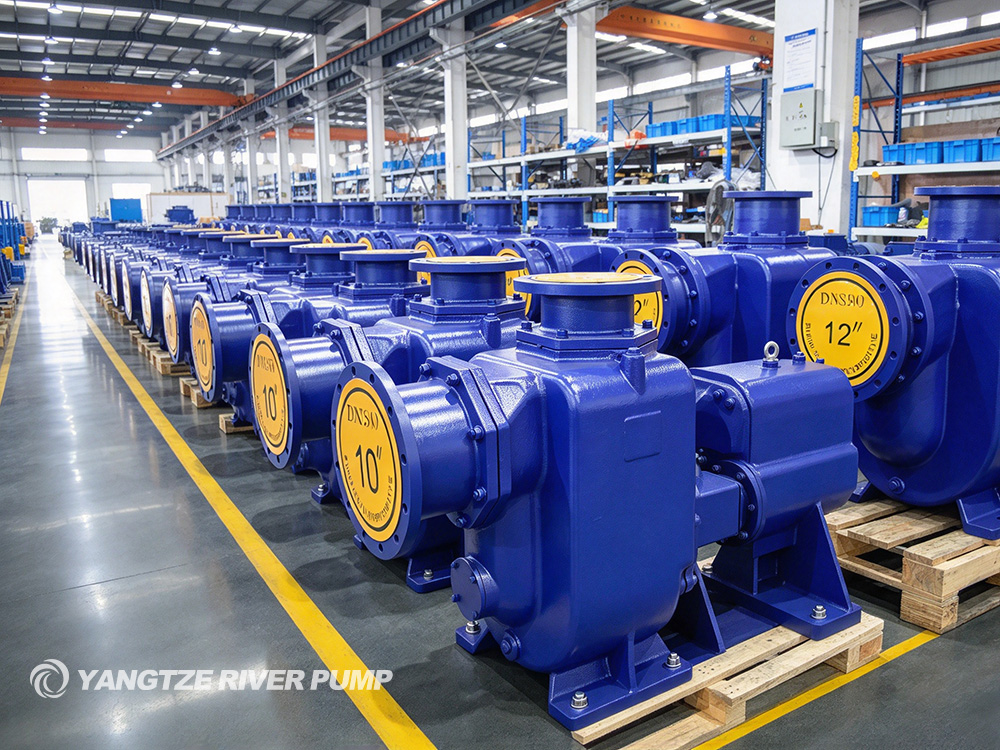
The self-priming capacity and sealing components of ZW self-priming sewage pumps are sensitive to pipeline sealing and regular debris cleaning. Strictly follow installation specifications, implement hierarchical maintenance, timely clear tangled impurities inside the pump and replace wearing parts periodically. This can effectively reduce common faults such as pump blockage, failure to pump water and seal leakage, ensure long-term stable and reliable equipment operation and cut operation & maintenance costs.

